
Simple Warning Signs Your Tree May Be in Trouble
You can tell a tree needs attention by watching for dead branches, cracked bark, leaning trunks, or leaves that look thin or discolored. Fungi at the base, exposed roots, or sudden leaf drop are also red flags. These signs often mean the tree is stressed, sick, or unsafe. Spotting problems early makes tree care easier and can help you avoid costly damage.
Why Early Detection Matters
Prevention is always better than waiting for a tree to fail. A weak limb can fall without warning. A sick tree can spread disease to nearby trees. Insects can move from one yard to another. When you catch small issues early, you have more options. You may only need light pruning instead of full removal.
Healthy trees add shade, beauty, and value to your property. Regular tree care keeps them strong through storms and seasonal changes. Paying attention now can save time, money, and stress later.
Early Warning Signs You Should Not Ignore
Trees often send clear signals when something is wrong. You just need to know what to look for.
- Dead or hanging branches: Brittle limbs with no leaves are often the first sign of trouble.
- Cracks in the trunk: Deep splits can weaken the tree’s structure.
- Leaning: A tree that suddenly tilts may have root damage.
- Thin or yellow leaves: Poor leaf growth can point to disease or soil problems.
- Mushrooms at the base: Fungi often signal root rot.
- Peeling or missing bark: Large bare areas expose the tree to insects and decay.
- Early leaf drop: Leaves falling out of season may mean stress.
If you spot one or more of these issues, it is time to take a closer look.
Seasonal and Routine Checklist
Each season brings different challenges for trees. A simple routine can help you stay ahead of problems.
- Spring: Check for new growth. Look for bare spots in the canopy.
- Summer: Watch for wilting leaves during heat waves.
- Fall: Inspect branches after storms for cracks or splits.
- Winter: Look for broken limbs after ice or heavy snow.
Walk around your tree every few months. Look up into the canopy. Check the trunk and the ground around the roots. This habit only takes a few minutes but can reveal early warning signs.
Best Practices for Long-Term Results
Good habits help trees stay healthy for many years. Start with proper watering. Most trees prefer deep watering less often, rather than light watering every day. Mulch around the base, but keep it a few inches away from the trunk.
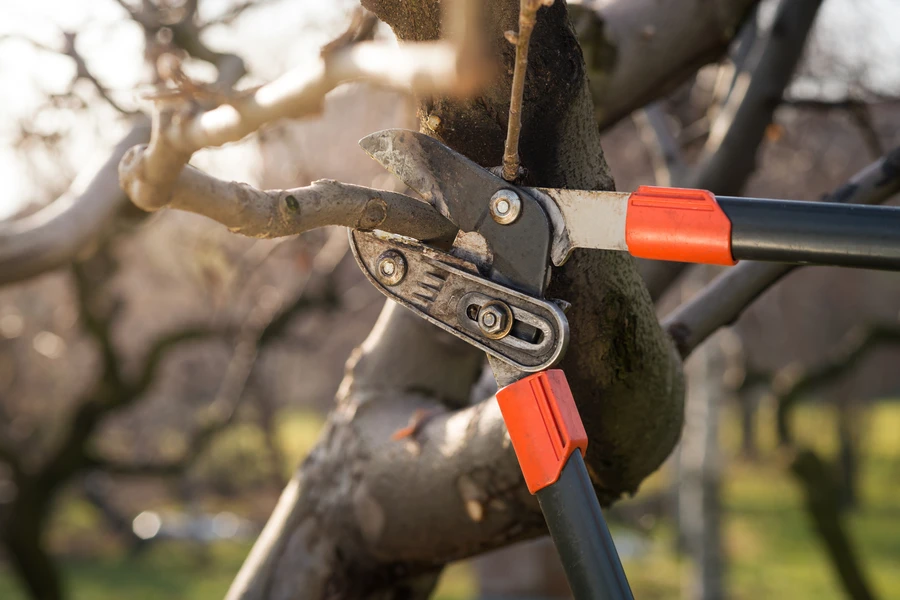
Prune small branches before they grow into larger problems. Remove dead or rubbing limbs. Keep an eye out for pests like beetles or caterpillars. Healthy soil also supports strong roots. If your yard has compacted soil, aeration may help.
Professional tree service can also play a role in long-term health. Skilled crews know how to shape a tree without harming its structure.
What Not to Do
Many tree problems get worse because of simple mistakes.
- Do not top your tree. Cutting off large sections weakens it.
- Avoid piling mulch against the trunk.
- Do not ignore small cracks or decay.
- Avoid using spikes to climb living trees unless necessary.
- Do not attempt large branch removal without proper tools.
DIY work can be risky. Climbing ladders with chainsaws often leads to injuries or property damage. Some issues look small from the ground but hide deeper decay inside the trunk.
When to Schedule Professional Help
If your tree is leaning, has large dead limbs, or shows signs of disease, it is best to bring in trained professionals. Trees near homes, driveways, or power lines should never be ignored. High winds and storms can turn weak trees into hazards.
An experienced team can inspect the tree, recommend proper tree care, and explain your options. Sometimes the fix is simple pruning. In other cases, removal may be the safest choice. Getting expert advice gives you clarity and peace of mind.
Get Trusted Help for Your Trees
If you notice any warning signs on your property in Champaign, IL, it may be time for a closer look. Our team at Downing's Tree Service provides careful inspections and honest guidance based on what your trees truly need. We focus on safe, practical tree care that protects your home and landscape. Call us at (217) 402-8435 to schedule an evaluation and let us help keep your trees healthy and strong for years to come.