
Waiting Too Long to Remove a Damaged Tree Can Put People and Property in Danger
Delaying a tree removal service can lead to serious safety risks. A weak or dying tree can fall without warning. It can damage your home, crush a car, or hurt someone in your yard. The longer you wait, the more unstable the tree may become. Acting early lowers the chance of sudden accidents and costly repairs.
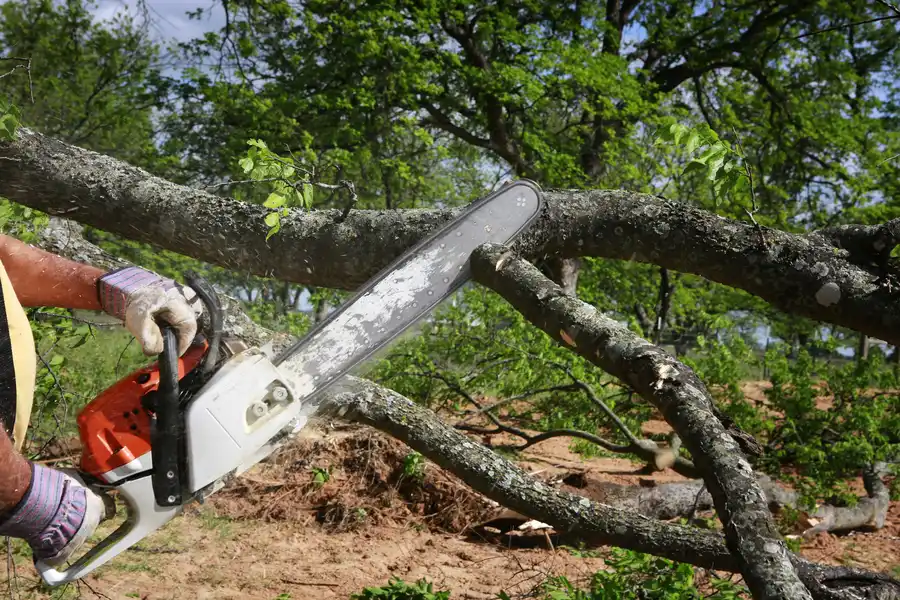
Common Signs a Tree Is Becoming Dangerous
Many trees show warning signs before they fail. The problem is that homeowners often ignore them. A tree may look fine from a distance but have hidden damage inside.
- Large dead branches hanging over your roof
- Deep cracks in the trunk
- Soft or hollow spots at the base
- Fungus growing near the roots
- The tree leaning more than before
- Roots lifting from the soil
If you see one or more of these signs, the tree may not be stable. Waiting can make the problem worse, especially during storms or high winds.
Why Delays Make the Problem Worse
Trees weaken over time. Rot can spread inside the trunk. Roots can decay under the soil where you cannot see it. Heavy rain can soften the ground and cause the tree to shift. Strong wind can snap weak limbs.
Insects are another factor. Termites and beetles often attack sick trees. This speeds up decay. A tree that might have been safe last season could become a hazard this season.
Weather changes also play a role. Freezing and thawing can create cracks in the trunk. Hot, dry weather can dry out wood and make it brittle. All of these changes make a delayed tree removal service more risky.
What to Check First If You Suspect a Risk
If you think a tree may be unsafe, start with a quick visual check from the ground. Do not climb the tree. Do not cut large branches on your own.
- Look at the base of the trunk for cracks or decay.
- Check for loose soil around the roots.
- Stand back and see if the tree is leaning.
- Look up for broken or hanging limbs.
- Notice if leaves are missing on one side only.
If anything looks unstable, keep people and pets away from the area. Park your car somewhere else if needed. These simple steps can lower risk while you plan the next move.
Safe Fixes Versus Professional-Level Work
Small issues can sometimes be handled with basic trimming. For example, removing a small dead branch with hand tools may be safe if you can reach it from the ground.
However, large limbs, tall trees, and trees close to homes require skill and proper equipment. Cutting the wrong limb can change the weight balance of the tree. This can cause it to fall in the wrong direction. Power lines add even more danger.
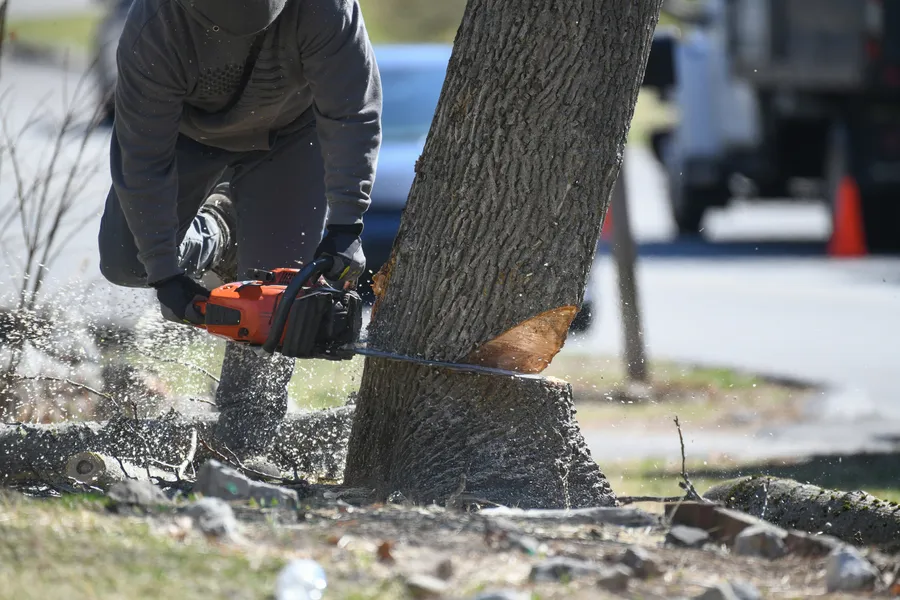
A trained crew knows how to control the fall path. They use ropes, harnesses, and safety gear. They also know how to spot internal decay that is not easy to see. Hiring a tree removal service for major problems helps reduce the risk of injury and property damage.
How Delays Can Increase Costs
Many homeowners wait because they want to save money. Yet delay often leads to higher costs. A tree that falls on its own can damage roofs, fences, sheds, and driveways. Insurance may not cover all damage, especially if warning signs were clear.
An emergency removal is also more expensive than a planned job. Storm calls often come with higher rates due to urgency and extra cleanup. Acting early gives you more control over timing and cost.
Prevention Tips for Long-Term Safety
You can reduce the chance of sudden tree failure with regular care.
- Inspect trees at least once a year
- Trim dead or weak branches before storm season
- Keep soil around roots stable and not overwatered
- Watch for signs of pests or disease
- Schedule a professional evaluation if a tree looks stressed
Routine checks help catch problems early. Small actions today can prevent major hazards later.
Protect Your Home and Family Before Problems Grow
Delaying a tree removal service can turn a manageable issue into a serious threat. If you have concerns about a tree on your property in Champaign, IL, it is better to act sooner rather than later. At Downing's Tree Service, we handle hazardous tree situations with care and proper equipment. Call us at (217) 402-8435 to schedule an inspection and let us help you keep your property safe.